

How to Plan Photography for a Multi-Day Destination Wedding
Destination weddings have a funny way of becoming more than one day.
First there’s the welcome dinner. Then someone suggests drinks afterward. Maybe there’s a rehearsal, a boat day, a beach hangout, a family brunch, a hike, or an entire afternoon where everyone you love is somehow in the same place with nowhere else they need to be.
And then, somewhere in there, you also get married.
If you’re planning a multi-day destination wedding, your photography deserves a little more thought than simply deciding how many hours you want covered on the wedding day. Travel changes the timeline, the light, the locations and sometimes which moments end up mattering most.
I’ve had the opportunity to photograph weddings across Canada, throughout the United States, including Tennessee, California and Oregon, and internationally in destinations like Mexico. While North American weddings often centre around a single day, celebrations farther abroad tend to unfold over several days, with welcome gatherings, excursions and time spent together becoming just as meaningful as the wedding itself.
That’s why destination wedding photography is about so much more than arriving somewhere beautiful with a camera. It’s about understanding the full experience, planning thoughtfully around each event and documenting the moments that make the entire celebration feel like yours.
Here’s what I’d think about while planning yours.

Should you book multi-day photography coverage?
If your destination wedding includes meaningful events outside the wedding day itself, I would seriously consider it.
That doesn’t mean you need a photographer following you around from breakfast until bedtime for four straight days. Please let me sleep.
It might mean adding a few hours of coverage for:
- a welcome party or rehearsal dinner
- cocktails with everyone the night before
- a cultural or family tradition
- a group excursion
- a pool, beach or boat day
- an intimate dinner with immediate family
- morning-after brunch
- portraits somewhere you won’t have time to visit on the wedding day
The question I would ask isn’t, “How many days should we photograph?”
It’s, “Which parts of this trip are actually part of the story we want to remember?”
Sometimes the wedding ceremony is the emotional centre of the trip, but the photographs you unexpectedly adore come from the night before when your university friends are all squeezed around one table or your parents are drinking margaritas together somewhere they never imagined they’d be.
Multi-day coverage lets the gallery tell a fuller story.



Destination wedding timelines work differently
A traditional wedding timeline often assumes everybody wakes up relatively close to the venue, gets ready, has a ceremony, celebrates and goes home.
Destination weddings tend to have more moving pieces.
Guests are arriving from different places. Rental cars get lost. Everyone needs transportation. The ceremony might depend on the temperature or sunset. You may be moving between a hotel, ceremony site, portrait location and reception venue.
And because people have travelled to be there, couples often want more time to actually be with them.
That changes how I approach the photography timeline.
I don’t want to build you a schedule where technically we can get every photograph, but you spend half the day travelling between locations and barely see the people who flew across the continent to celebrate with you.
We need breathing room.
For a multi-day wedding, I like thinking about the trip as one larger visual story. That gives us more freedom. If we can create portraits another evening in incredible light, for example, we may not need to disappear for an hour during the wedding reception.
You get the art without turning the entire trip into a photoshoot.
How far in advance should you book a destination wedding photographer?
For a photographer you really care about working with, I would start looking approximately 12 to 18 months before your destination wedding, particularly if you’re getting married during a popular travel or wedding season.
That doesn’t mean you’re doomed if your wedding is nine months away.
But destination weddings require more calendar space than local weddings. Your photographer may need travel days before and after your actual coverage, which can make certain weekends unavailable earlier.
If photography is one of your priorities, I wouldn’t wait until every other vendor is booked before starting the conversation.


Can you bring your Canadian wedding photographer to the U.S.?
Potentially, yes, but there are important legal details your photographer needs to sort out.
Canadian citizens are often exempt from needing a physical U.S. visa for many types of travel, but visa-exempt does not automatically mean authorized to perform paid work in the United States. U.S. rules distinguish between visiting for business purposes and entering the country to perform employment or labour, and the correct requirements depend on the photographer’s specific circumstances. U.S. Customs and Border Protection also has final authority over admission at the border.
In other words, don’t assume, “They’re Canadian, so they can just drive across the border with their cameras.”
Your photographer should understand their own immigration, travel and work requirements before accepting the booking. These rules can also change, so this is something to verify for your actual wedding rather than relying on a five-year-old Reddit thread.
Here’s where things are a little different for me: I’m a dual Canadian-American citizen!
That means I’m legally able to photograph weddings in the United States without needing a U.S. work visa. It’s one less logistical hurdle to worry about when planning your wedding across the border.
If you’re considering bringing another Canadian photographer with you, it’s worth asking:
“Are you legally able and prepared to photograph our wedding in this destination?”
The photographer should be able to explain how they handle the logistics without making you become their immigration lawyer.
You don’t automatically need a new photographer because you’re travelling
There’s a natural assumption with destination weddings that you should search for a photographer who lives wherever you’re getting married.
Sometimes that makes perfect sense.
But location isn’t the only thing you’re choosing when you hire a photographer.
You’re choosing how someone sees people. How they use light. How much direction they give you. How they behave when the timeline goes sideways. Whether you feel comfortable around them. Whether their photographs actually feel like you.
If you’ve already found someone whose work you love and who makes you feel comfortable, bringing them with you may be worth exploring.
This can be particularly important if you’re someone who really cares about your photographs but doesn’t necessarily enjoy being photographed.
You don’t need to start over with a stranger solely because you’ve crossed a border.
How early should your photographer arrive?
For most destination weddings, I would want to arrive at least one full day before the first event I’m photographing.
Not one day before the ceremony. One day before my coverage begins.
If I’m photographing your welcome party on Friday, arriving Friday afternoon would make me extremely uncomfortable. Flights get delayed. Bags disappear into mysterious airline dimensions. Weather happens.
For more complex or remote destinations, arriving two days early may make sense.
Extra time can also give me a chance to become familiar with the location, understand where the light falls and make sure the beautiful portrait spot you found online isn’t actually beside a parking lot, closed for construction, or inaccessible during your timeline.
Very glamorous photographer stuff.


What photography travel expenses should you budget for?
Every photographer structures destination pricing differently, so ask exactly what is included in the quote.
Potential travel expenses can include:
- airfare
- checked baggage or equipment fees
- accommodation
- rental cars or other ground transportation
- fuel, parking or transfers
- meals or a travel per diem
- travel days
- permits
- appropriate work authorization or immigration expenses
- additional travel for a second photographer or videographer
Some photographers charge each expense separately. Others create a flat destination travel fee.
Neither approach is inherently better. You just want the numbers to be clear before you book.
I’d also ask what happens if travel costs change significantly between booking and the wedding. Destination contracts should make that part boring and predictable.
Boring is good when we’re talking about invoices.
How does changing location affect your wedding photography?
This is where things get nerdy.
A wedding in Vancouver, Tennessee, coastal California and the Oregon forest can all have completely different light.
Latitude changes sunset times. Mountains can make the sun disappear well before the official sunset. Beaches bounce enormous amounts of light around. A ceremony surrounded by trees can become dark surprisingly quickly. Desert sun at 2 p.m. behaves very differently from an overcast coastal afternoon.
Even the colour of the walls inside your venue matters.
That’s why I don’t believe in copying somebody else’s destination wedding timeline just because their photographs looked amazing.
Maybe that Pinterest portrait was taken in Italy at 7:42 p.m. in completely different light.
We need to plan for your location.
When I’m building a photography timeline, I’m thinking about where the sun will be, what your venue looks like, how long travel between locations actually takes and when we can create intentional portraits without pulling you away from the experience for half the day.
Sometimes the best decision is shifting portraits by 20 minutes.
Sometimes it’s moving three feet.
Sometimes it’s abandoning the original plan because the weird storm clouds happening behind you are much more interesting.

Should you take engagement photos before travelling?
If it’s possible, I’m a big fan of doing an engagement session before your destination wedding.
Partly because you’ll get photographs you love.
But there’s another reason.
You get to experience what being photographed by your wedding photographer actually feels like before the wedding.
You learn that you don’t need to know what to do with your hands.
I learn how the two of you interact, what makes you laugh, whether you want lots of direction or very little, and what makes you stop thinking about the camera.
That matters even more if you normally hate having your photo taken.
By the time the wedding arrives, I’m not a stranger pointing a camera at you during an already emotional day. We’ve already hung out. We already know how this works.
If an engagement session at home isn’t realistic, you could also plan a couples session after arriving at your destination.
Just don’t feel like you need to turn it into another elaborate wedding production. Go somewhere interesting. Wear something you feel like yourselves in. Wander around. Maybe get a drink afterward.
Easy.
What should you ask a destination wedding photographer before booking?
Beyond loving their portfolio, I’d ask:
- Have you photographed destination or travel-based weddings before?
- Are you legally able to work in our wedding destination?
- How do you structure travel fees?
- How early will you arrive?
- What happens if a flight is delayed or cancelled?
- Do you carry backup camera equipment when travelling?
- Have you worked in lighting or weather conditions similar to our location?
- Can you help us build a photography-friendly timeline?
- Can we add welcome-party, rehearsal-dinner or next-day coverage?
- If we’re hiring photography and videography, how will those timelines work together?
I’d also look beyond someone’s destination portfolio.
Pretty scenery can make almost any photograph look impressive.
Look at people.
Can they photograph awkward people? Big families? Dark receptions? Midday ceremonies? Quiet moments? Chaos? Movement?
Can they still tell a story when the backdrop isn’t doing all the work?
That’s the photographer you’re actually hiring.

My experience photographing weddings in the United States
I’ve photographed weddings in several parts of the United States, including Tennessee, California and Oregon, with California weddings in areas including San Jose and Sunol.
Every location changes the photographs a little.
That’s part of what I love about travelling for weddings.
I’m still looking for the same things I look for at home: the reactions you didn’t notice, the weird little interactions, the beautiful light, the people quietly losing it during speeches, and the portraits we intentionally create together.
But I get a completely different landscape, atmosphere and quality of light to work with.
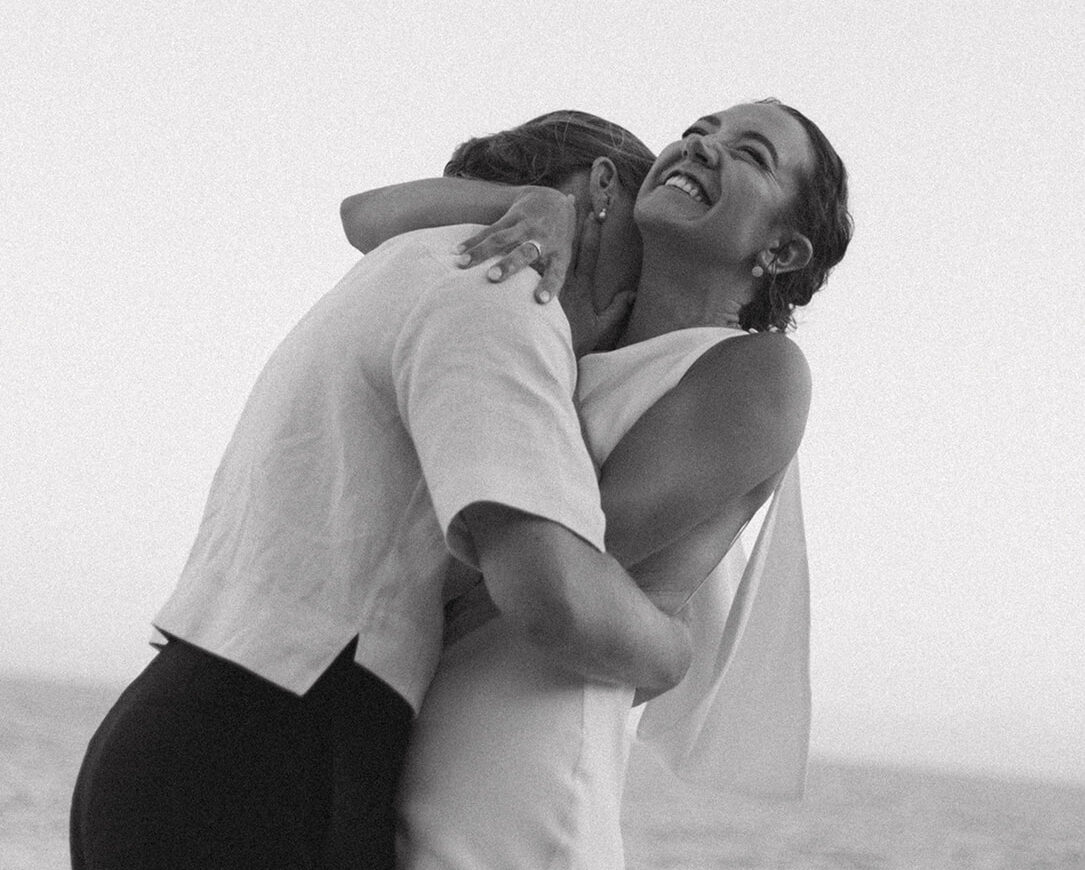
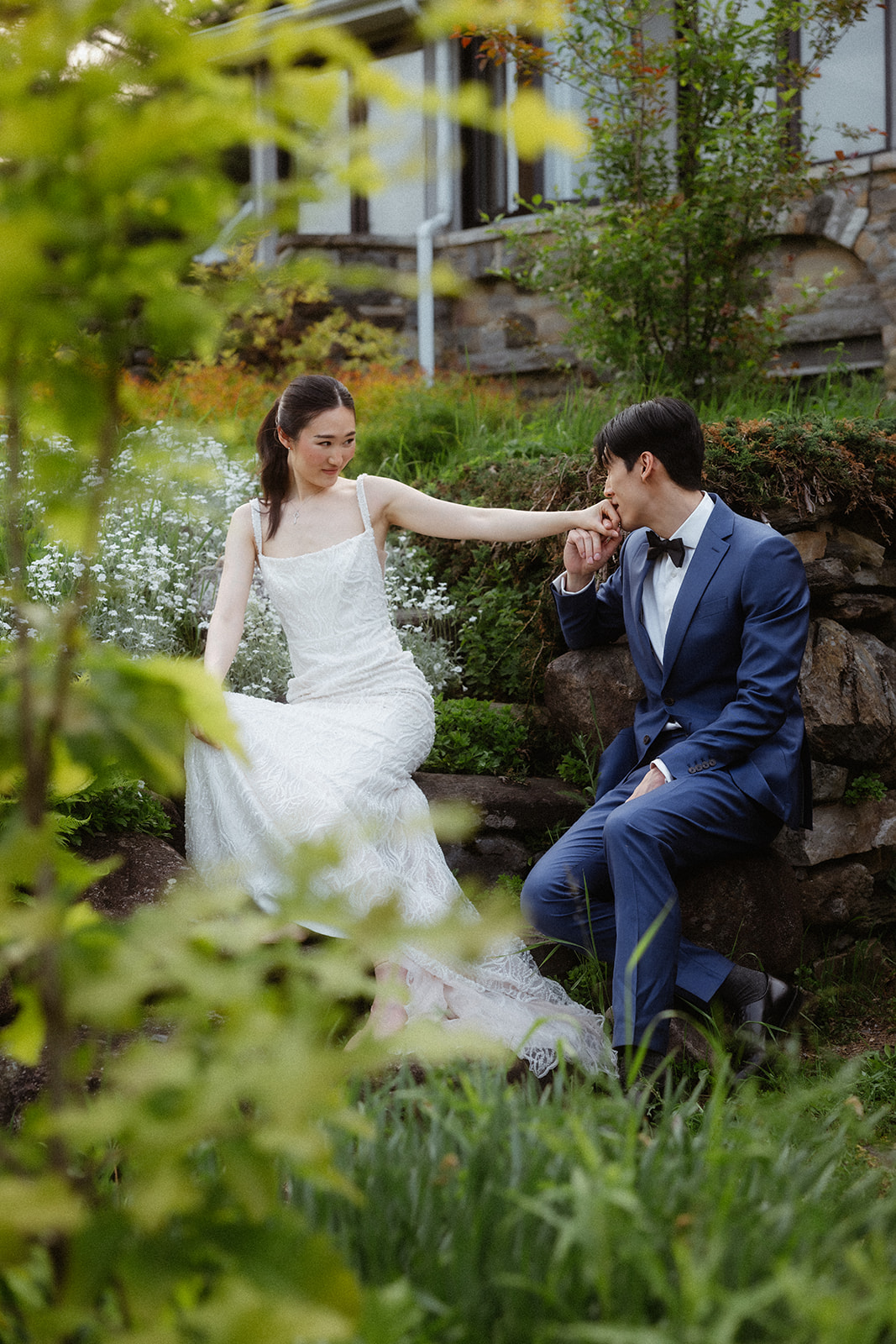
My approach is cinematic with documentary and editorial influences. I want the wide frames that show where you went, the little details that bring you back there, the spontaneous moments happening around you and the intentional portraits that deserve a spot on your wall.
And I don’t think creating those photographs should require spending your entire destination wedding posing for me.
A simple way to plan multi-day destination wedding photography
If you’re still figuring out how much coverage makes sense, start here:
First, write down every event happening during the trip.
Not just the ceremony.
Then circle the moments where having photographs would genuinely matter to you ten years from now.
Maybe that’s your welcome dinner because it’s the first time both families will be together.
Maybe you don’t care about photographing brunch at all.
Maybe the hike the next afternoon is incredibly important because it’s the reason you chose that location.
There isn’t a correct number of days.
The goal is to photograph enough of the experience that your gallery feels like the trip you actually had.
Your photographer can travel with you
Getting married somewhere else doesn’t mean you have to throw out everything you liked about your photographer and start searching from scratch.
If you’ve found someone whose photographs feel like you, whose approach makes you comfortable and whose presence is something you’d actually like to have around for several days, ask whether they travel.
They might be able to come with you.
And if you’re planning a destination wedding in the United States or somewhere farther from home, I’d love to hear what you’re planning.
Tell me about your destination wedding and we can figure out what photography coverage makes sense for the whole experience, not just the ceremony.

|
About Kelly Schuster PhotographyI’m Kelly Schuster, a cinematic wedding and destination photographer with more than seven years of experience photographing couples in British Columbia, across Canada, the United States and internationally. My work combines documentary coverage of what actually happens with intentional editorial direction when it helps create a stronger photograph. I think about galleries as sequences rather than piles of individual images: the wide scene, the movement, the tiny details, the portraits we intentionally make and the reactions happening when nobody thinks I’m watching. Get in touch |